

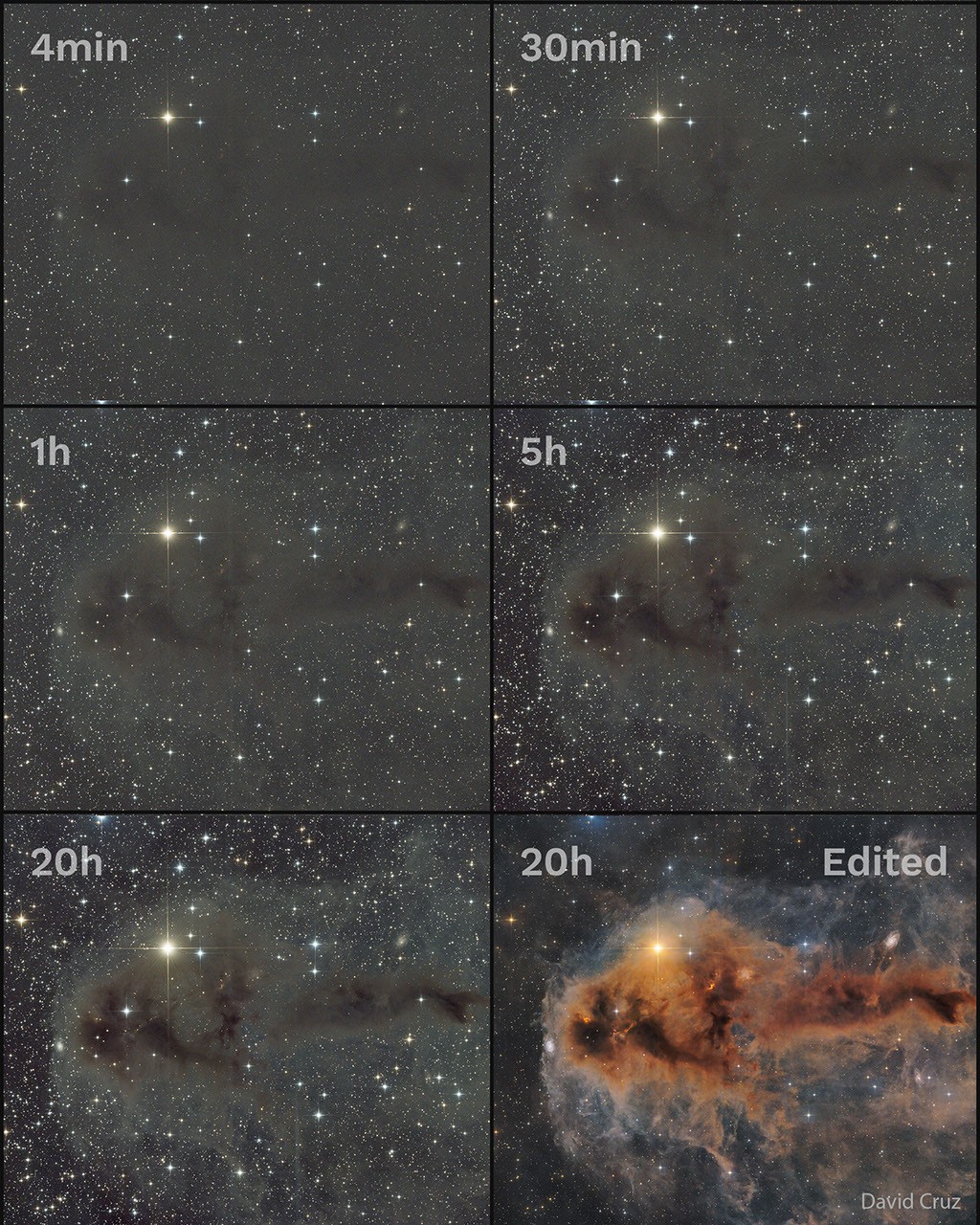
Revealing the Invisible Through Long Exposure
The APOD explanation walks readers through what a patient observer might notice when staring into space for an extended period. At first, only the usual brightest stars are visible. After a few minutes, regions without stars begin to appear. As the staring continues, the dark region becomes better defined, and after a full 20 hours of light collection, a strange dark structure emerges. The featured image is the result of that long accumulation of light, followed by digital processing to brighten the image and enhance the colors, producing a detailed view of Lynds 1251.
Lynds 1251: The Rotten Fish Nebula
Lynds 1251, also known as the Rotten Fish Nebula, is a star-forming region laced with opaque brown-appearing interstellar dust. The nebula is home not only to young stars and dust but also to energetic shock waves, fast stellar winds, and powerfully beamed jets. These dynamic features indicate active star formation occurring within the dark cloud. The long staring described in the explanation reveals these otherwise hidden structures, making LDN 1251 a compelling target for deep-sky astrophotography.
Credit and Production
The image is credited to photographer David Cruz. The APOD entry is authored and edited by Robert Nemiroff, Jerry Bonnell, Cecilia Chirenti, and Keighley Rockcliffe. APOD is a service of the Astrophysics Science Division at NASA's Goddard Space Flight Center, produced in partnership with NASA Science Activation and Michigan Technological University. The daily feature presents a different image or photograph of the universe each day, accompanied by a brief explanation written by a professional astronomer.
Tomorrow's Picture
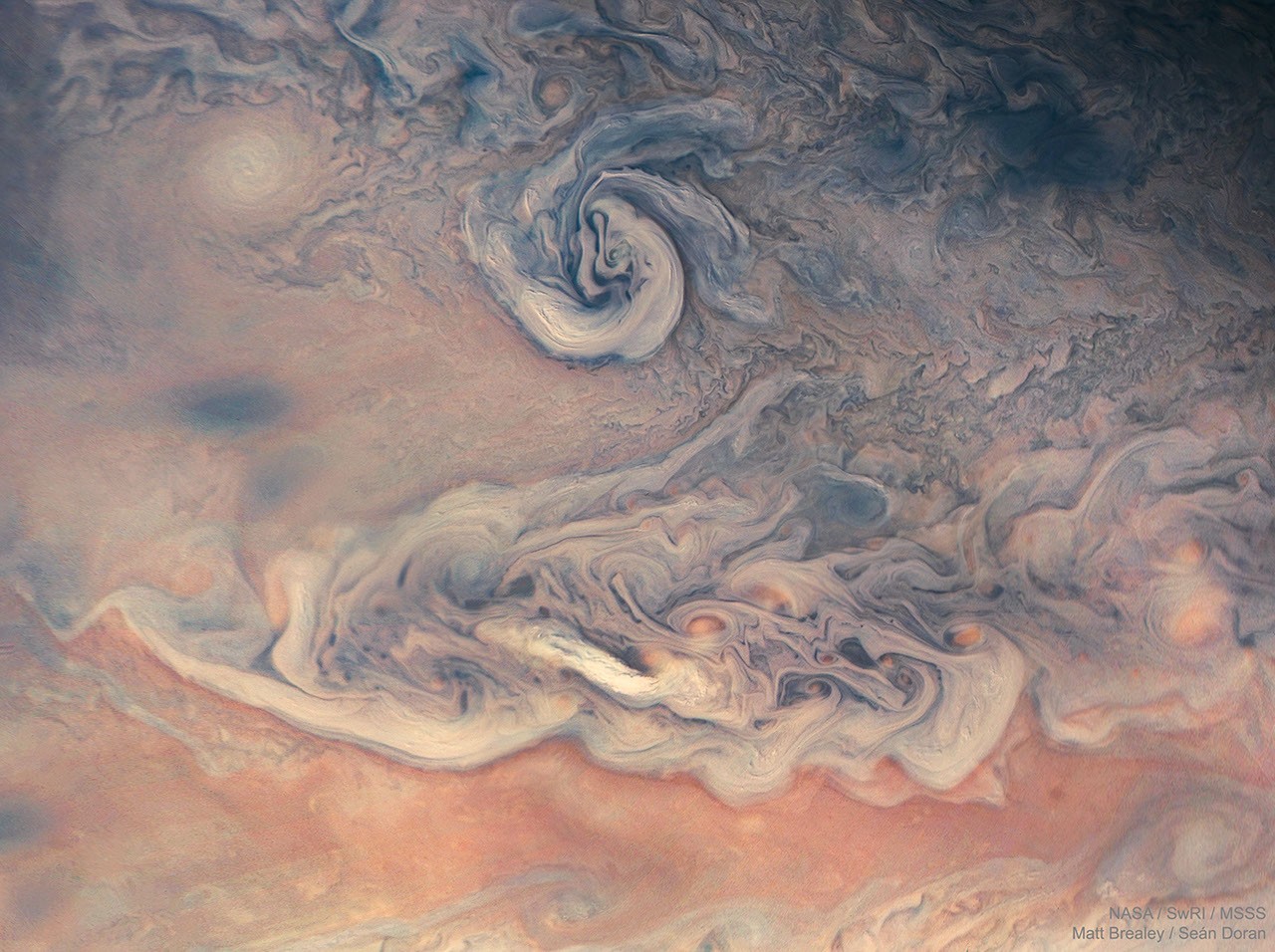
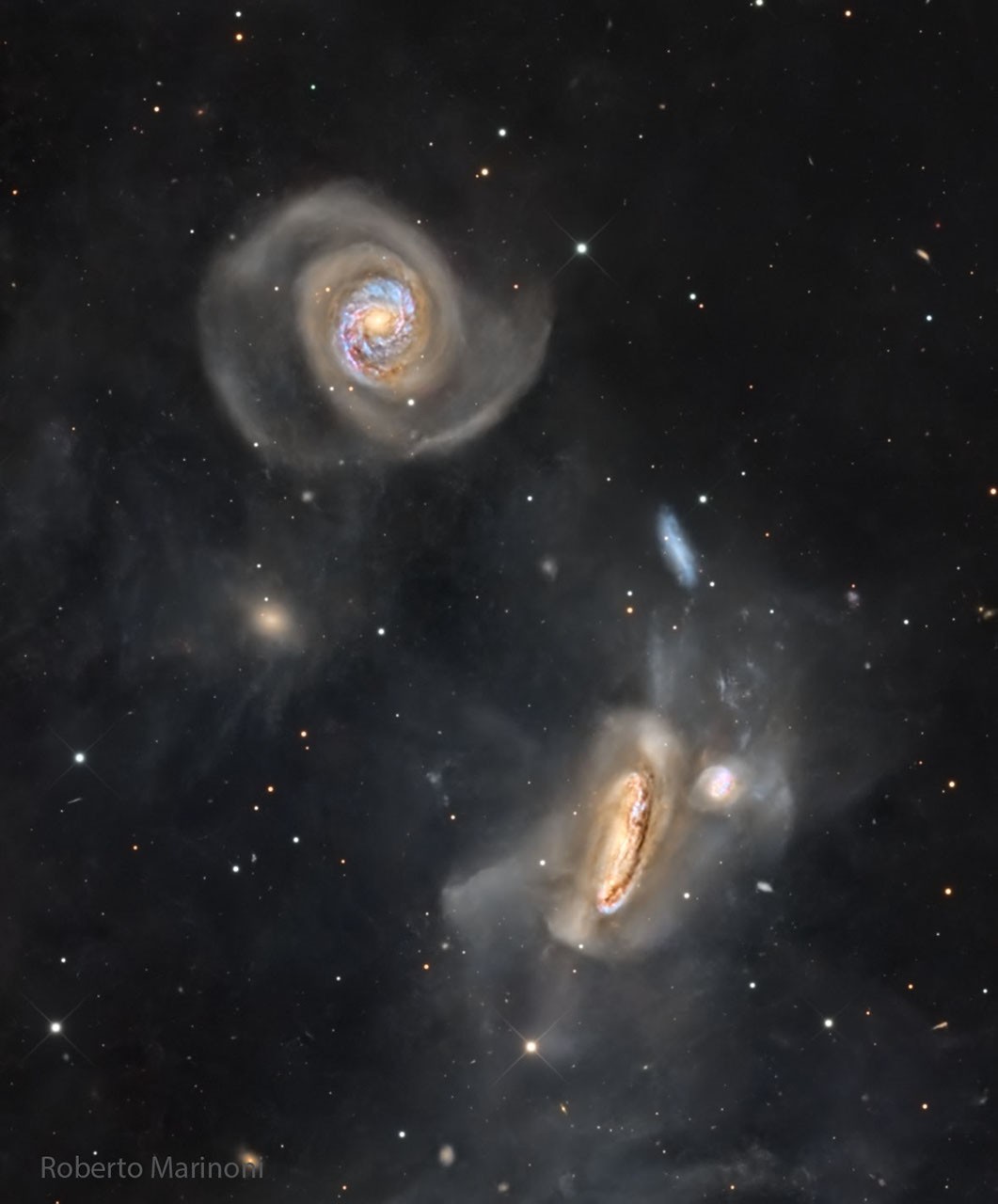
The APOD page notes that tomorrow's picture will feature galaxies ringing. The previous day's image, dated November 22, 2026, showcased swirls and colors on Jupiter as captured by the Juno spacecraft. Readers can explore the APOD archive, submit their own images, or use the random APOD generator to discover past astronomy pictures. The page also provides an index, search function, calendar, and RSS feed for ongoing access to the daily cosmic imagery.

Join the Conversation
Moderated reader discussion · Community standards apply