

AI Unit Targets Digital Manipulation
Represented at the summit by Chief Press Secretary Adedayo Oketola, INEC said the new AI unit will monitor and neutralise deepfakes, synthetic audio and coordinated online campaigns that risk eroding public confidence, discouraging voter turnout or sparking communal violence. The commission plans to work closely with media houses, fact‑checking organisations such as CJID’s DUBAWA, and civil‑society groups to ensure timely correction of false narratives. Police Inspector‑General Olatunji Disu previously praised CJID’s efforts to expose foreign‑linked AI‑generated disinformation, underscoring the growing threat of digital interference in Nigerian elections.
Enhanced Election Logistics and Security Measures
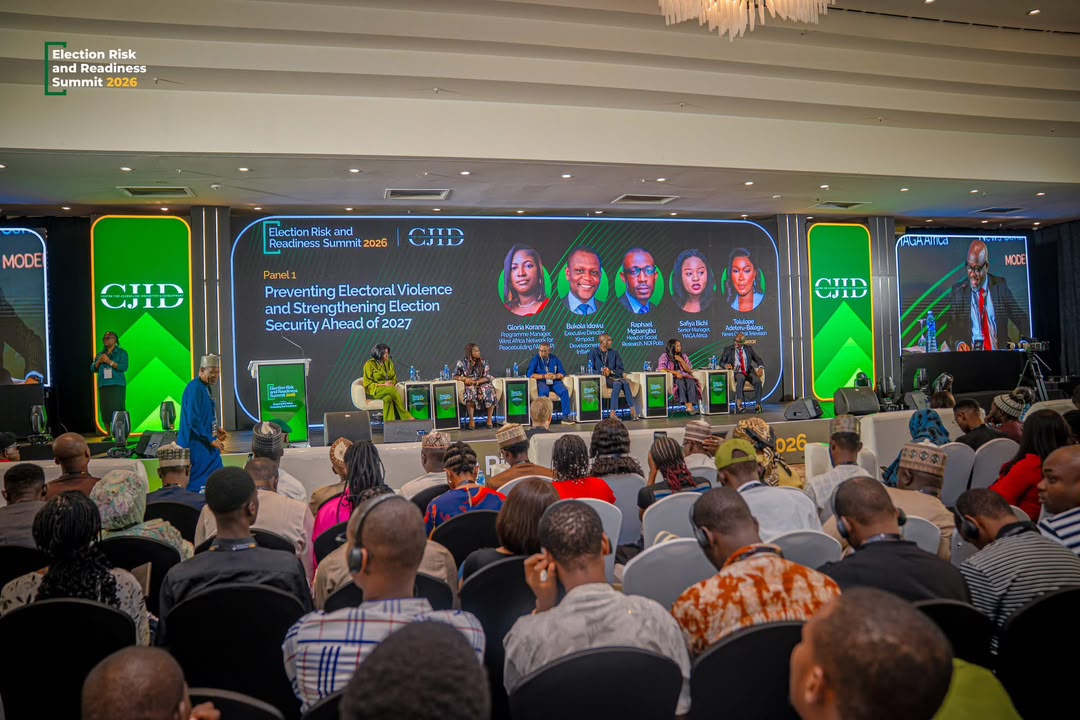
Beyond misinformation, INEC is upgrading its election infrastructure. About 57,000 new Bimodal Voter Accreditation System (BVAS) devices will be procured, and existing units will receive fresh batteries and climate‑controlled storage. The voter‑to‑device ratio will be cut from 1,250 to 850, aiming to reduce accreditation time to one‑to‑two minutes. The commission also intends to hire roughly 1.41 million ad‑hoc staff—700,000 for the presidential and National Assembly elections on 16 January 2027 and another 700,000 for the governorship and State House elections on 6 February 2027. Extended registration periods, collaboration with security agencies, and the use of an Election Risk Management tool to pinpoint flashpoints are part of a comprehensive strategy to prevent electoral violence, as highlighted in a summit panel featuring representatives from WANEP, Kimpact, NOI Polls and YIAGA Africa.

Join the Conversation
Moderated reader discussion · Community standards apply