

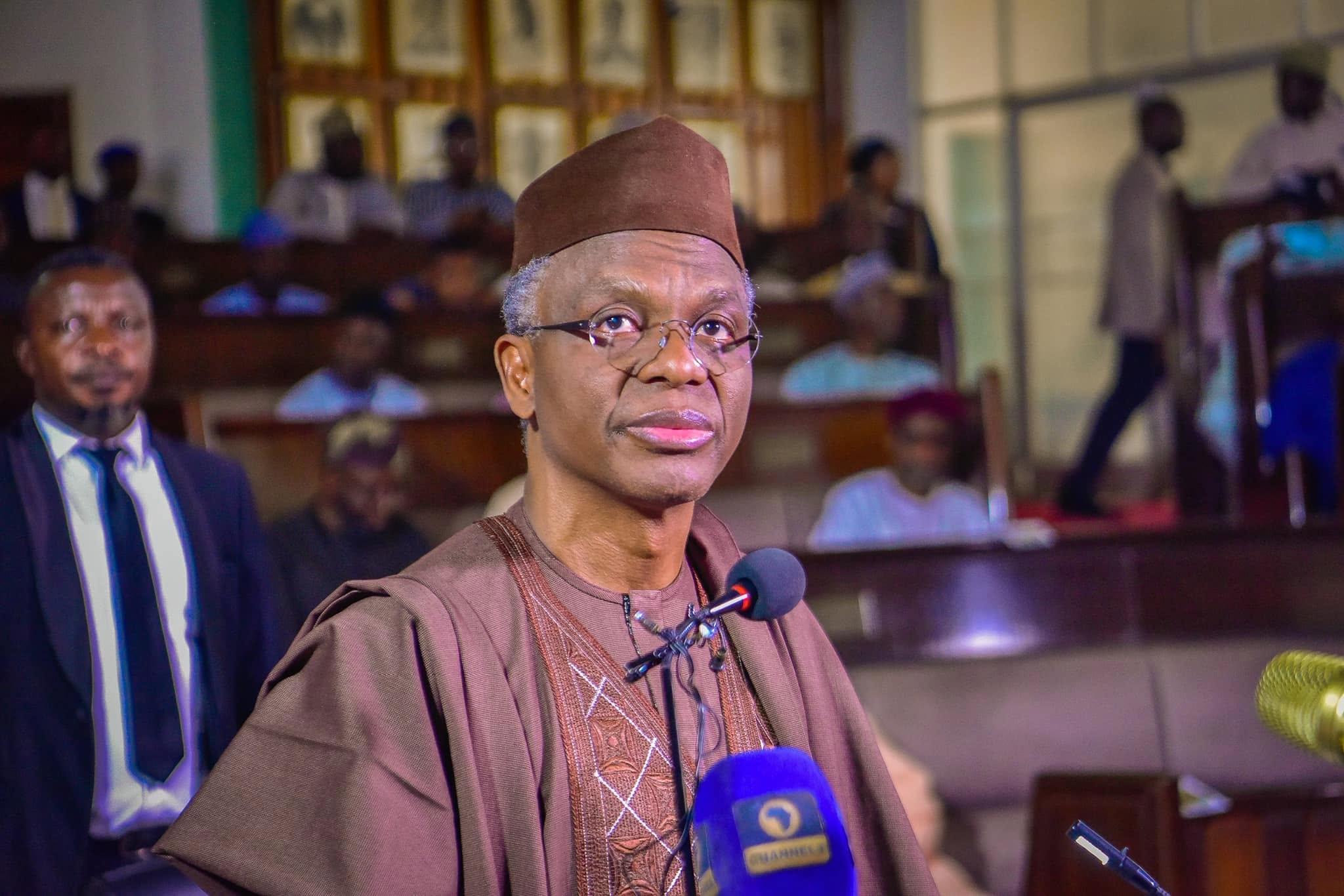
Court testimony and outright denial
El‑Rufai told the court he has never owned any equipment capable of intercepting telephone calls and lacks any technical knowledge to do so. He also denied having access to the NSA’s communication networks or devices. Citing his February appearance on Arise Television, he explained that the word “tapped” was used as a political embellishment, saying, “I used ‘we’ to refer to opposition politicians… it was rhetorical and exaggerated.” He pleaded not guilty to all five counts, which include unlawful interception, accessing classified information, interfering with critical national information infrastructure and failing to report an alleged accomplice.
Interview, arrest attempt and the charges
The controversy began after El‑Rufai’s interview on Arise Television’s Prime Time programme on 13 February, a day after security operatives attempted to arrest him at Nnamdi Azikiwe International Airport upon his return from Cairo. While his passport was seized, he was not detained. In the interview he accused Ribadu of ordering the arrest and claimed he and an unnamed person had listened to a call in which the NSA instructed security forces to act. The State Security Service subsequently filed three charges, later expanded to five, invoking the Cybercrimes (Prohibition, Prevention, etc.) (Amendment) Act 2024, the Nigerian Communications Act 2003 and the Designation and Protection of Critical National Information Infrastructure Order 2024. The prosecution presented two witnesses, including lawyer Deji Adeyanju, who confirmed the broadcast recording but noted El‑Rufai never explicitly said he personally tapped the calls. After the prosecution rested, El‑Rufai’s no‑case submission was rejected, and the judge ordered him to enter his defence, which commenced on Wednesday.

Join the Conversation
Moderated reader discussion · Community standards apply