

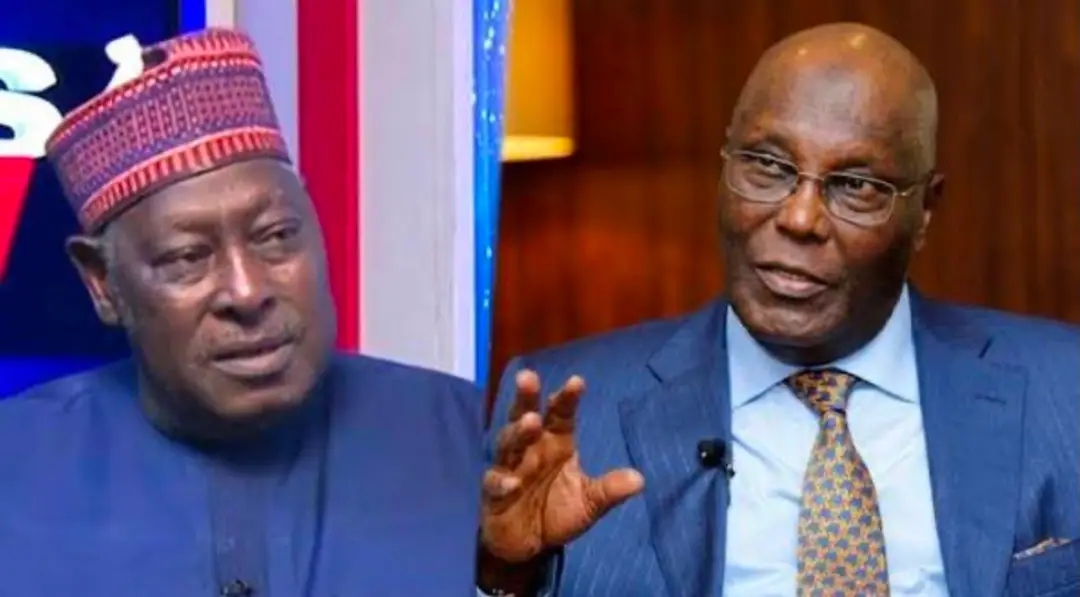
Lawal’s accusations and past corruption claims
Lawal contends that Atiku’s supporters repeatedly attack him over the defunct grass‑cutting scandal despite his discharge on a no‑case submission. He cites former President Olusegun Obasanjo’s memoirs, which describe Atiku as having a “propensity to corruption”, “tendency to disloyalty”, a “shameless liar”, and lacking sound judgement. Lawal also enumerates a series of allegations that have surrounded Atiku, including a ₦20 million unauthorized payment by the Petroleum Technology Development Fund, a $500,000 payment to his wife flagged by an ICC arbitration panel, a US Senate probe that traced over $40 million in suspected funds, the Siemens bribery scandal, the William Jefferson investigation, and the Special Purpose Vehicles controversy that allegedly diverted ₦100 million from the Ecological Fund. He argues that Atiku escaped prosecution because of constitutional immunity while serving as vice president.
Political dynamics and campaign focus
Lawal resigned from the ADC in June after Atiku secured the party’s presidential primary, accusing Atiku’s faction of infiltrating and hijacking the party following a fallout with PDP Minister Nyesom Wike. He describes the ADC as having shifted from a left‑leaning patriotic platform to a “one‑man dictatorship”. Regarding Atiku’s 2027 campaign, Lawal says rallies are populated by hired crowds and revolve around two messages: reinstating the fuel subsidy and proclaiming Atiku’s Fulani heritage. He criticises the latter, noting that Kebbi State—where Atiku declared his ethnicity—faces security challenges from groups such as Lakurawa, Boko Haram and ISWAP, and argues that voters need concrete security solutions rather than ethnic posturing.
Economic argument on the fuel subsidy
Lawal disputes Atiku’s opposition to President Bola Tinubu’s May 2023 removal of the fuel subsidy, labeling it self‑interest. He points to NNPC expenditure of ₦4.39 trillion in 2022 and ₦1.829 trillion from January to May 2023, and cites an August 2026 Federal Ministry of Finance report that the subsidy removal generated ₦15.8 trillion in revenue. According to Lawal, the subsidy scheme was a “scam” facilitated by fake invoices, ghost shipments and phantom deliveries, with a 2022 House motion alleging nearly $10 billion defrauded from the fund. He concludes that restoring the subsidy would reopen avenues for oil‑revenue looting.




Join the Conversation
Moderated reader discussion · Community standards apply